Water leak repair
Stop the leak before damage
Leaking tap, toilet, hose, pipe, sink or visible water damage? Turn off the water if possible, send photos and describe the situation clearly.
Why act quickly?
A small leak can damage cabinets, floors, ceilings or increase water use. This page is structured for fast action: first steps, common leak types, details to send and callback request.
Turn off water
Close the supply if you can do so safely.
Useful photos
Send a wide view and close-up of the leak.
Visible leak
Tap, hose, toilet, siphon, connection or visible pipe.
Hidden leak
Humidity or pressure loss may need more precise diagnosis.
Contact us to explain the leak
Before help: 4 details to prepare
A clear message helps understand whether the leak is visible, hidden, urgent or linked to a sanitary fixture.

Common water leaks
Leak under sink or basin
Siphon, hose, connection, joint or drain leaking into a cabinet or onto the floor.
Tap, valve or hose
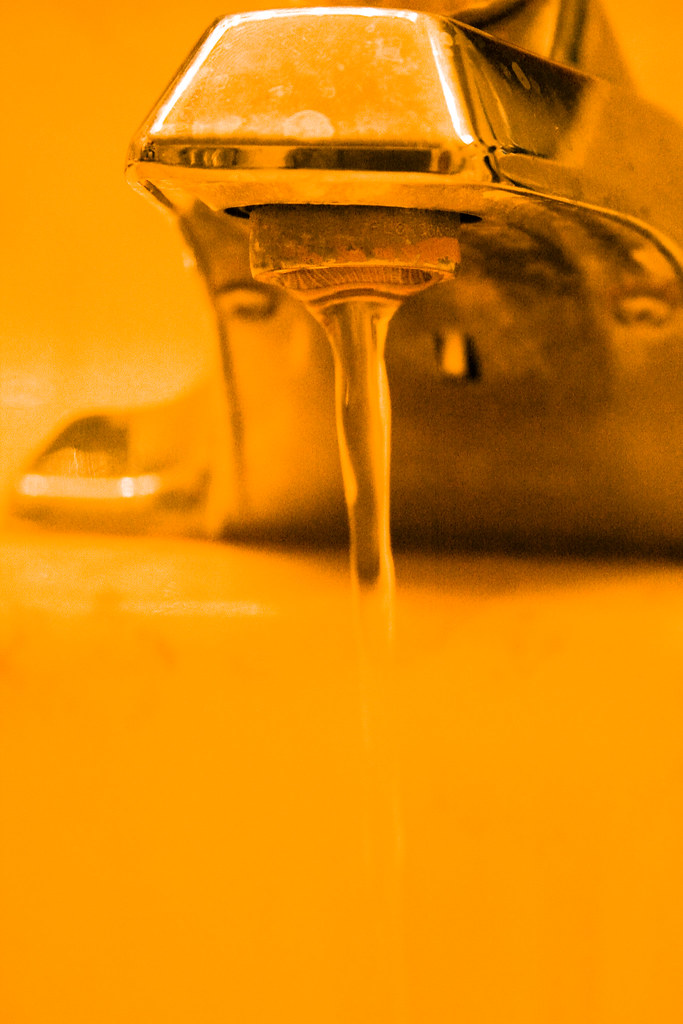
Dripping tap, worn mixer, tired hose, blocked valve or connection to check.
Toilet leak
Cistern, mechanism, float, seal or supply causing continuous water flow.
Request a callback
Describe the issue and leave your phone number. Clear details help prepare the response.
FAQ
Should I turn off the water before calling?
Yes, if you know where the supply valve is and can do it safely. Otherwise, explain the situation by phone.
Can a small leak wait?
It can quickly damage a cabinet or floor. It is better to send a photo and ask than let water run for days.
Do you repair leaks in walls?
A non-visible leak needs diagnosis first. If the source is unclear, leak detection may be needed.